
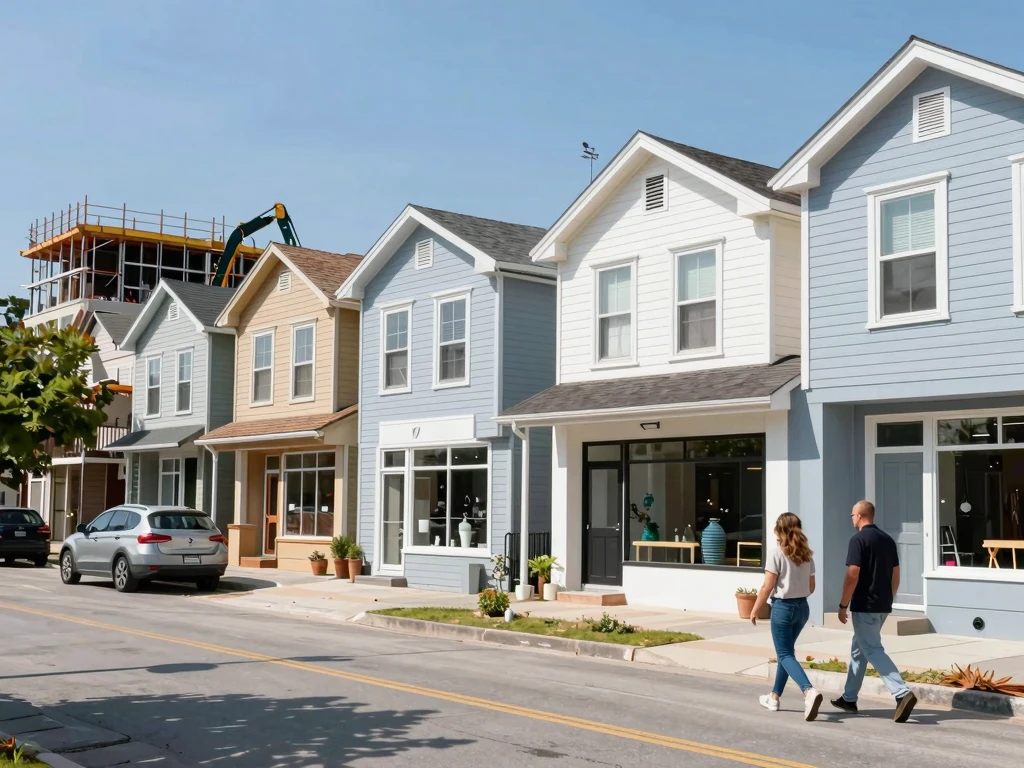
I once walked away from a small rental in a working-class neighborhood because it didn’t “feel” like a good investment. The houses were dated, retail options were limited, and the street lacked curb appeal. Three years later, renovated homes started selling at prices I didn’t think were possible there. The rents followed. My hesitation didn’t cost me money, but it cost me momentum.
That experience forced me to rethink how I judge location growth. Attractive neighborhoods already priced for perfection rarely deliver the strongest returns. The real opportunity usually sits in areas that feel average, overlooked, or slightly uncomfortable. Spotting the difference between stagnation and early growth is the skill that separates average investors from disciplined ones.
Read About : Duplex vs Single Family Home Investment USA
Understanding the Real Signs a Neighborhood Will Grow in Property Value USA
Growth rarely arrives suddenly. It builds slowly through policy, demographics, business activity, and housing supply pressure. Investors who wait for obvious proof typically pay peak prices.
What matters is recognizing movement early, before the wider market agrees.
Infrastructure Investment That Already Has Funding
Cities talk about improvements constantly. Most never happen. The projects that matter are the ones funded, approved, and scheduled. Road upgrades, transit expansion, new parks, school renovations, sewer upgrades, and flood mitigation projects change how people evaluate an area. These projects don’t just improve convenience; they reshape demand.
Why it matters: buyers and renters follow accessibility. When commute times shrink or amenities improve, the pool of potential r3esidents expands.
What goes wrong if ignored: investors often assume appreciation will happen without public investment. Areas without infrastructure spending can remain stagnant for decades.
Who this is not for: short-term flippers who need quick cosmetic appreciation. Infrastructure projects move slowly and reward patience.
Professional observation: major transit improvements consistently precede rent growth in surrounding neighborhoods by several years. Buyers react emotionally to commute times more than almost any other factor.
Population Pressure Spilling From Expensive Areas
High-cost neighborhoods eventually push buyers outward. This migration pattern is predictable and visible. When nearby areas become unaffordable, renters and first-time buyers look one ring farther out. Then another. The pressure spreads like ripples. This looks profitable on paper, but investors often chase the wrong ripple. The key is proximity to strong employment hubs or transit lines. Growth spreads unevenly.
Why it matters: housing demand rarely disappears. It relocates.
What goes wrong if ignored: buying in isolated low-price areas that lack employment access. Cheap housing without economic connection stays cheap.
Who this is not for: investors seeking purely rural or remote investments expecting urban-style appreciation.
Professional observation: price growth usually follows commuting patterns, not geographic distance. Ten miles along a rail line can outperform five miles without transit access.
Rising Renovation Activity by Homeowners
One renovated house means little. Ten renovated houses in one year signal confidence. Homeowners invest their own money only when they believe values will rise. Renovation permits, roof replacements, driveway upgrades, landscaping improvements, and extensions signal a psychological shift.
Why it matters: owner-occupiers stabilize neighborhoods. They stay longer and invest more.
What goes wrong if ignored: investors mistake landlord-heavy areas for growth zones. Tenant-dominant streets often lag in appreciation.
Who this is not for: investors focused purely on short-term cash flow. Owner-occupier demand drives long-term price growth.
This is where most investors get it wrong. They focus on rental yields and ignore ownership trends. Appreciation follows homeowners, not landlords.
Read related : Short vs Long Term Rentals US: Which Makes More Money?
Local Businesses Changing Their Risk Appetite
Independent coffee shops, gyms, childcare centers, medical offices, and specialty grocery stores appear before price surges. Chains follow later.
Small businesses act as early risk takers. They sign multi-year leases and depend on stable local customers. Their presence signals confidence in the neighborhood’s trajectory.
Why it matters: retail investment reflects consumer demand and income growth.
What goes wrong if ignored: investors chase neighborhoods after major retail chains arrive, when prices already reflect the shift.
Who this is not for: investors seeking purely industrial or commercial property growth without residential demand.
Professional observation: retail diversity is a stronger indicator of neighborhood health than the presence of luxury brands.
Declining Rental Vacancy Without Rent Discounts
Vacancy tells the truth faster than sale prices. When landlords stop offering incentives and units rent quickly, demand is strengthening.
Watch rental listings. Track how long properties stay available. Monitor rent concessions.
Why it matters: sustained demand creates upward pressure on both rents and property values.
What goes wrong if ignored: investors buy based on rising home prices while rental demand weakens, creating cash flow pressure.
Who this is not for: investors who plan to hold vacant property or rely solely on appreciation.
School Reputation Improving Gradually
School performance improvements often precede family migration. Families plan housing decisions years ahead of enrollment.
Improving schools attract long-term residents, which stabilizes neighborhoods and supports price growth.
Why it matters: family buyers create stable demand and reduce turnover.
What goes wrong if ignored: investors underestimate how strongly schools influence buyer decisions.
Who this is not for: short-term investors seeking rapid turnover or vacation rental markets.
New Housing Supply Is Limited or Constrained
This sounds counterintuitive. Many investors assume new construction drives growth. Often the opposite is true.
Areas with strict zoning, limited land, or lengthy permitting processes experience supply shortages. When demand increases, prices respond faster.
Why it matters: constrained supply magnifies demand shocks.
What goes wrong if ignored: investors buy in oversupplied areas where new construction caps price growth.
Who this is not for: investors focused on new-build developments expecting strong appreciation.
Professional observation: the strongest long-term appreciation often occurs in neighborhoods where building is difficult.
Demographic Shifts Toward Younger Professionals
Young professionals reshape neighborhoods. They tolerate imperfect housing in exchange for proximity to jobs and lifestyle amenities.
Their presence appears through coworking spaces, fitness studios, public transit usage, and increased evening activity.
Why it matters: this demographic often transitions from renting to buying in the same area.
What goes wrong if ignored: investors assume high-income buyers move directly into premium neighborhoods.
Who this is not for: investors focused exclusively on retirement or vacation markets.
When Growth Signals Fail or Become Risky
Not every promising neighborhood becomes a success story. I’ve seen areas show multiple positive signs and still stall.
This only works if economic fundamentals support demand.
Failure scenario: heavy investor speculation without job growth. Prices rise quickly, rents stagnate, and vacancy increases. Eventually the market corrects.
Another failure scenario: infrastructure delays or cancellations. Investors buy early, expecting rapid growth that never arrives.
I wouldn’t do this unless the local job market is expanding or stable. Employment drives housing demand more than any single factor.
Trade-off to consider: waiting for confirmation reduces risk but also reduces upside. Buying early increases uncertainty but improves potential returns.
Challenging Two Popular Real Estate Myths
Myth 1: “Buy the Worst House in the Best Neighborhood”
This advice sounds sensible but often misleads investors. Premium neighborhoods already price in future growth. Upside may be limited. The strongest appreciation often happens in improving neighborhoods, not established ones.
Myth 2: “Follow Major Developers”
Large developments signal confidence but can also flood the market with supply. Too many new units can cap price growth for years. Large projects benefit long-term residents more than early investors.
How Interest Rates Change the Growth Timeline
Higher interest rates slow appreciation but don’t stop neighborhood evolution. They delay buyer demand and stretch timelines. Investors expecting rapid appreciation during high-rate periods often become impatient.
Professional observation: rising rates shift focus toward affordability and cash flow. Growth neighborhoods still improve, just more slowly. This looks profitable on paper, but holding costs increase while waiting for appreciation.
Opportunity Cost Most Investors Ignore
Capital tied in slow-growth areas can’t be used elsewhere. Waiting five years for modest appreciation carries real cost. Choosing where not to invest matters as much as choosing where to invest. Investors often hesitate too long, hoping for perfect clarity. By the time confidence arrives, prices have already moved.
Internal Reading to Continue Research
If you want to deepen this decision, review our articles on evaluating rental demand, choosing between cash flow and appreciation, and timing property purchases during high interest rates. Those topics connect directly to neighborhood growth decisions.
The Quiet Indicators That Matter Most
Some signals don’t show up in data immediately. Streets feel safer at night. Parks get busier. Parking becomes harder to find. Weekend foot traffic increases. These changes sound subjective, but they often appear before measurable price growth. Professional observation: human behavior shifts before property data reflects it.
What to Check Next Before Making a Decision
Review city budgets and infrastructure plans. Analyze rental vacancy trends. Study commuting patterns and job growth. Walk the streets at different times of day. Look for renovation activity and new businesses. Avoid relying on price charts alone. Decide whether you are comfortable buying before the market agrees. That decision determines whether you prioritize safety or upside.
FAQ
Is this suitable for beginners?
It can be, but only if you’re willing to spend time on research. Beginners often look at price alone and miss the bigger picture like job growth, infrastructure plans, or local renovations. For example, I’ve seen first-time investors buy in low-cost neighborhoods thinking they’ll “catch the wave,” only to find demand stagnant for years. A practical tip: start by visiting the area multiple times at different times of day, talk to local agents, and track rental activity before committing any money.
What is the biggest mistake people make with this?
Most investors focus on current appeal rather than direction. They buy a pretty house in a static neighborhood, expecting it to appreciate quickly. I’ve seen streets with well-maintained homes and quiet sidewalks barely move in price for a decade. The mistake is ignoring early signals like infrastructure spending, renovation activity, or demographic shifts. Always verify that demand is increasing before paying a premium looking only at aesthetics or recent sales often leads to stagnation.
How long does it usually take to see results?
Neighborhood growth isn’t instant. In my experience, noticeable appreciation often takes five to ten years. Even with clear early signs, factors like construction delays, economic downturns, or rising interest rates can stretch timelines. For example, a transit expansion I tracked took eight years from approval to meaningful property price impact. Be patient and plan holding costs accordingly, and don’t expect rapid flips. The upside is real, but only for investors who can wait it out.
Are there any risks or downsides I should know?
Yes. A major risk is overestimating how quickly a neighborhood will improve. If jobs decline or an infrastructure project is delayed, appreciation stalls while carrying costs continue. Another downside is oversupply too many new developments can cap growth even if demand exists. I’ve seen investors buy heavily in anticipation of gentrification, only to face prolonged vacancies. A practical approach is to diversify and avoid putting all your capital into a single “promising” area until early signs prove consistent.
Who should avoid using this approach?
This strategy isn’t for investors needing immediate income or those uncomfortable with uncertainty. If you rely on short-term cash flow or have limited reserves for maintenance, waiting several years for growth can create pressure. For instance, buying in an improving neighborhood with high interest rates might strain your budget before appreciation kicks in. It’s better suited for those who can handle slower timelines, tolerate risk, and are focused on long-term gains rather than instant returns.

[…] Read related : Signs a Neighborhood Will Grow in Property Value USA […]
[…] Signs a Neighborhood Will Grow in Property Value USA […]
[…] Real estate is often mentioned alongside passive income, but it has a reputation for being anything but passive. The truth sits in the middle. […]
[…] allow you to invest in real estate without owning property. With $100, you can buy shares or fractional units in REIT ETFs that invest […]