
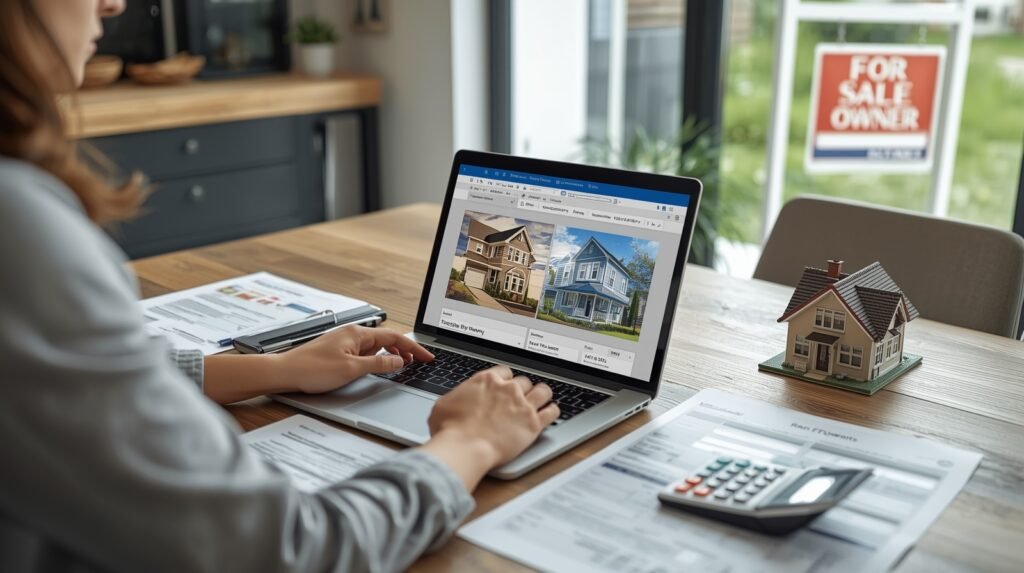
A buyer I know tried to purchase a rental property directly from a seller to avoid paying a real estate commission. The idea sounded simple: negotiate the price, sign the paperwork, close the deal. What actually happened was more complicated. The buyer underestimated how many small details agents usually handle quietly in the background title checks, inspection negotiations, paperwork deadlines, lender coordination.The deal didn’t collapse, but the process became stressful and expensive. A missed disclosure issue forced last-minute legal work. The savings from skipping the agent shrank quickly.Buying property without representation can work, and experienced investors sometimes prefer it. But the margin for mistakes is thinner. The step by step process to buy a house without realtor USA buyers follow needs discipline, preparation, and realistic expectations about where the risks sit.
Why Some Buyers Choose to Skip a Realtor
Real estate commissions in the U.S. typically range between five and six percent of the property price, split between listing and buyer agents. That cost often becomes part of the transaction price.Some buyers believe skipping representation will lower the purchase price or give them more control over negotiations.Sometimes it works. Sellers occasionally accept slightly lower offers when they avoid paying the buyer’s agent commission. Investors targeting off-market deals also prefer direct negotiation.But this is where most beginners misunderstand the trade-off. Saving commission does not eliminate complexity. It transfers responsibility from the agent to the buyer.If you go this route, you become responsible for verifying documents, coordinating professionals, and protecting your own interests.I wouldn’t attempt this approach unless I was comfortable reading contracts and managing timelines.
Read related : Buying a House With Student Loan Debt in USA
Step 1: Confirm Financing Before Searching
Many buyers start browsing listings first. That creates unnecessary risk.Without financing clarity, negotiations lack credibility. Sellers and listing agents prioritize buyers with pre-approval letters from lenders.Why this matters: pre-approval reveals your borrowing limit and interest rate range. It also exposes problems with credit, income verification, or debt ratios before a purchase agreement exists.What goes wrong if ignored: buyers find the perfect property and then discover their financing assumptions were optimistic.Who this is not for: cash buyers with verified liquidity.In the U.S., mortgage standards shift with interest rates and economic conditions. During tightening cycles, lenders review applications more cautiously.Before making offers, obtain written pre-approval from a lender. That step alone prevents many failed negotiations.
Step 2: Understand the Local Market Before Making Offers
Buying without a realtor means conducting your own market research.Agents usually provide comparative market analysis to estimate property value. Without that perspective, buyers risk overpaying.This looks profitable on paper, but inaccurate pricing assumptions quickly erase savings.A practical method is reviewing recent sales of similar properties within the same neighborhood during the past six months. Online platforms help with this research, but raw data still requires interpretation.Why it matters: property value depends on micro-location, school districts, condition, and inventory levels.What goes wrong if ignored: emotional offers based on asking price instead of actual market value.Who this is not for: buyers unfamiliar with local housing trends.In several U.S. cities, price growth has slowed while inventory remains limited. That combination makes valuation tricky. Comparable sales tell the real story.
Step 3: Identify Properties Where Direct Negotiation Is Possible
Most listings already involve agents representing the seller. In those cases, negotiating without a buyer’s agent can still work, but the listing agent represents the seller’s interests.This is where many buyers misinterpret the situation.The listing agent may handle paperwork, but their legal duty belongs to the seller.Better opportunities often appear through:
- For sale by owner properties
- Off-market leads
- Investors selling directly
- Local networking within landlord communities
Why it matters: direct communication reduces confusion and speeds negotiations. What goes wrong if ignored: buyers rely on the listing agent for guidance that ultimately favors the seller. Who this is not for: buyers uncomfortable negotiating purchase terms. Direct deals require clear communication and careful documentation.
Mistakes First Time Home Buyers Make in America
Step 4: Analyze the Property Beyond Surface Appearance
Skipping representation does not reduce the importance of due diligence. This is where investors approach properties differently than emotional buyers. Look beyond cosmetic features. Focus on structural elements: roof age, foundation stability, plumbing, electrical systems, and HVAC condition. Why it matters: major repairs can easily exceed $10,000–$30,000.What goes wrong if ignored: buyers discover costly repairs immediately after closing. Who this is not for: buyers with limited financial reserves. This is where many first-time buyers get distracted by aesthetics. Fresh paint and staged interiors hide underlying issues surprisingly well.
Read about : Income Needed to Buy House in the US – First-Time Buyer Guide
Step 5: Submit a Written Offer With Clear Terms
Verbal agreements mean little in real estate transactions.A formal offer typically includes:
- Purchase price
- Earnest money deposit
- Financing conditions
- Inspection contingency
- Closing timeline
In the U.S., real estate contracts vary by state. Standardized templates exist, but legal review is often worthwhile. Why it matters: poorly written contracts expose buyers to unexpected obligations. What goes wrong if ignored: disputes over repairs, closing dates, or deposit refunds. Who this is not for: buyers unwilling to consult a real estate attorney. I rarely move forward without legal review when handling direct transactions. The cost of a lawyer is small compared to the cost of a contract mistake.
Step 6: Hire a Real Estate Attorney or Closing Professional
This step often surprises beginners.Even without an agent, most property transactions require legal oversight, title verification, and escrow coordination.A real estate attorney ensures the contract protects both parties and complies with local regulations.
Why it matters: title issues, liens, or zoning restrictions can derail deals after closing.What goes wrong if ignored: buyers inherit legal problems attached to the property.
Who this is not for: buyers already experienced in property law. The American Bar Association provides guidance on property closing processes and legal responsibilities for buyers.
Step 7: Conduct a Professional Home Inspection
Skipping inspection to speed up the process is a mistake I see repeatedly.Inspections reveal structural issues that buyers rarely detect during showings.
Why it matters: inspection reports strengthen negotiation leverage. What goes wrong if ignored: discovering major repair needs after closing. Who this is not for: experienced investors intentionally purchasing distressed properties. Even then, those investors price repair risk carefully.
Step 8: Verify Title and Property Records
Title searches confirm that the seller legally owns the property and that no outstanding claims exist.
Common issues include:
- Unpaid property taxes
- Contractor liens
- Boundary disputes
- Easements affecting land use
Why it matters: unresolved title problems can limit your ownership rights. What goes wrong if ignored: legal complications after closing. Title companies and attorneys handle these checks during escrow.
Step 9: Finalize Mortgage Approval and Lock the Interest Rate
After the purchase agreement is signed, lenders begin full underwriting. This stage verifies employment, assets, and debt obligations. Interest rate locks protect buyers from rate increases during the closing process. Why it matters: mortgage markets fluctuate quickly.
What goes wrong if ignored: payment increases if rates rise before closing. Who this is not for: cash buyers unaffected by lending changes.
Step 10: Review Closing Documents Carefully
Closing documents outline final financial obligations.These include:Loan termsTitle insuranceClosing costsTax prorationsBuyers should review every number.
Why it matters: errors sometimes appear in final statements. What goes wrong if ignored: unexpected costs discovered after signing. Even experienced investors pause here. The closing table is not the place to rush. When Buying Without a Realtor Works Best. This approach tends to succeed under specific conditions. Investors with market knowledge often prefer direct deals. They understand property valuation and legal processes. Buyers with trusted attorneys and lenders also navigate transactions more confidently. However, beginners entering competitive housing markets often benefit from professional representation. This only works if the buyer accepts responsibility for research and negotiation.
When the Strategy Becomes Risky
Failure usually appears in one of three situations.First, inexperienced buyers misjudge property value and overpay.Second, buyers underestimate legal complexities and rely on informal agreements.Third, emotional attachment leads to rushed decisions without proper inspection or financing review.The financial difference between a well-negotiated purchase and a poorly structured one can reach tens of thousands of dollars.
Two Common Myths About Buying Without an Agent
Myth one: eliminating the buyer’s agent always reduces price.In reality, many sellers price homes assuming commission costs already exist. Without negotiation leverage, the buyer might not see meaningful savings.
Myth two: online listings provide enough information to replace professional guidance. Data helps, but interpretation matters. Comparable sales, zoning changes, and neighborhood development plans influence value more than listing photos suggest. Investors treat online information as a starting point, not a final decision tool.
Professional Observations From Recent Housing Markets
In many U.S. regions, inventory shortages continue to support property prices despite higher mortgage rates.Buyers negotiating directly sometimes struggle when competing offers involve experienced agents and well-prepared contracts.Legal review and proper due diligence remain critical regardless of representation structure.Real estate markets reward preparation more than enthusiasm.Before proceeding with a purchase without representation, verify financing, analyze comparable sales, and secure legal guidance. Avoid rushing negotiations simply because a deal appears convenient. Confirm inspection timelines, review title records carefully, and understand every financial obligation before signing.The decision should come after examining whether the savings from avoiding an agent outweigh the added responsibility. Check your experience level, confirm professional support, and decide whether handling the process directly fits your risk tolerance.
FAQ
Can you legally buy a house without a realtor in the United States?
Yes, it’s completely legal to buy a house without a realtor in the U.S. A property can be purchased directly from the owner, often called a “For Sale By Owner” (FSBO) transaction. Many experienced investors prefer this because it gives them more control over negotiation and communication.The challenge is that you become responsible for tasks an agent normally handles. That includes scheduling inspections, reviewing disclosures, negotiating repairs, and managing paperwork deadlines. One mistake beginners make is assuming the title company or lender will guide the entire process. They don’t. Their role is limited.If you go this route, a real estate attorney or experienced title company becomes important. They can review contracts and protect you from simple but expensive mistakes that first-time buyers often miss.
What is the biggest mistake people make when buying a house without a realtor?
The most common mistake is underestimating the negotiation side of the transaction. Many buyers focus only on the price, but the real leverage often sits in the terms of the deal.
For example, repair credits, inspection contingencies, and closing timelines can easily shift thousands of dollars in value. A buyer might win a lower purchase price but agree to absorb expensive repairs after the inspection. That looks like a win on paper but ends up costing more.Another issue is emotional negotiation. When buyers deal directly with the seller, discussions can become personal. Experienced investors keep the conversation strictly about numbers, timelines, and property condition. Treating it like a business transaction protects you from overpaying.
Do you still need a real estate attorney when buying without an agent?
In many cases, yes, and in some states it’s required. Even where it’s optional, skipping legal review can create unnecessary risk.A real estate contract might look simple, but the clauses around contingencies, financing deadlines, and disclosures can affect your ability to walk away from the deal. If something goes wrong during inspection or financing, the wording in that contract determines whether your deposit is protected.I’ve seen buyers lose earnest money because they missed a contingency deadline by a single day. An attorney typically costs far less than a realtor commission and can catch those details before they become a problem.Think of it less as a legal formality and more as insurance against a costly oversight.
Are there risks or downsides to buying a house without a realtor?
There are a few, and most of them show up in complex deals. The biggest risk is information imbalance. Sellers who list without agents often have experience selling property, while the buyer may not.Without an agent representing you, it’s easier to miss local market signals. Pricing trends, comparable sales, or neighborhood demand can affect whether a deal is actually fair. A property that looks like a bargain might simply reflect hidden maintenance issues or declining local demand.There’s also a time commitment. Managing inspections, appraisals, document reviews, and lender communication takes real effort. Investors who handle multiple deals are used to this process. Someone with a full-time job may find the coordination surprisingly demanding.
Who should avoid buying a house without a realtor?
This approach isn’t ideal for buyers who dislike negotiation or paperwork. The process involves reviewing contracts, coordinating inspections, and pushing the transaction forward when deadlines approach.It’s also risky for buyers purchasing in an unfamiliar market. Local agents often understand neighborhood pricing patterns that aren’t obvious from online listings. Without that context, it’s easier to misjudge a property’s real value.Another situation where this approach struggles is highly competitive markets. When multiple buyers are involved, agents often communicate quickly and structure offers strategically. A solo buyer can still compete, but it requires preparation and confidence with the process.For many investors it works well. For someone buying their first home in a fast-moving market, professional representation can still be worth the cost.

[…] Read related : Step-by-Step Process to Buy a House Without a Realtor in the USA […]
[…] Read related : Step-by-Step Process to Buy a House Without a Realtor in the USA […]